Reflexology is a wholistic therapy that is based on the principles of traditional Chinese medicine (TCM). Although based on physiological and neurological studies, the focus is on the interconnectedness of the body and not on treating a symptom in isolation as modern medicine does.
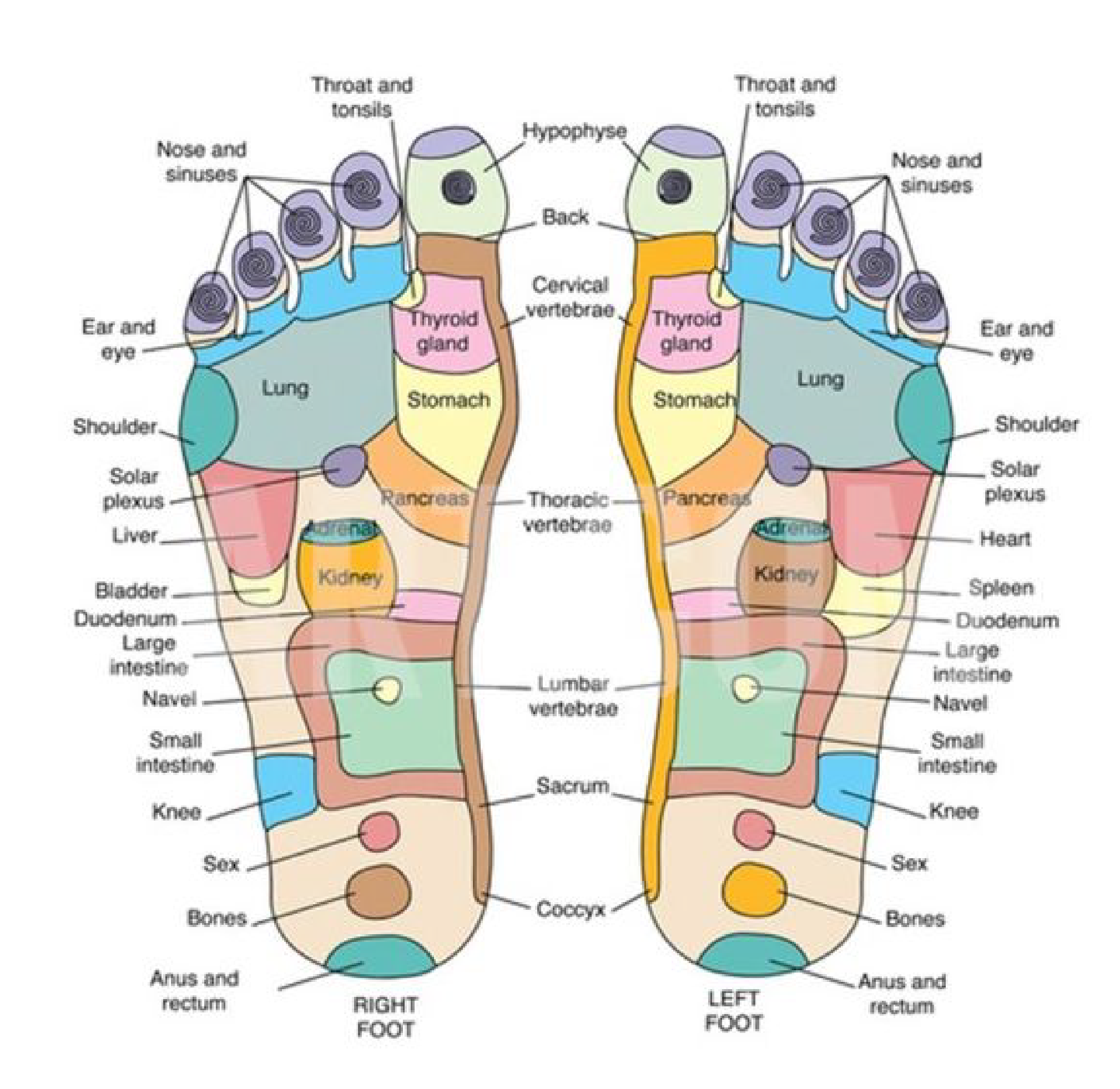
The feet are a map of the body, with each reflex corresponding to a specific organ/organ system. By stimulating the reflexes on the feet an involuntary response is elicited in the organs and glands along the meridian pathways. This sets a chain reaction in motion which causes physiological changes on a cellular level throughout the body.
Just like the universe is made up of energy, so is the human body.
There are 12 main energy pathways (meridians) in the body, which correspond to the different organs.
- lungs
- large intestine
- sex circulation
- triple burner
- small intestine
- heart
- liver
- spleen/pancreas
- stomach
- gall bladder
- kidney
- bladder
The meridians supply the body with qi/universal energy. When the energy flow in the meridians become blocked, we experience physical symptoms/ailments.
Reflexologists do not diagnose, treat a specific disease or illness, interfere with medication, or prescribe medication. If you have a specific medical problem or complaint, you are advised to seek professional medical help. You should also discuss any problems or complaints with the therapist, or if you are unsure whether to continue with the treatments.
Frequently Asked Questions
Anyone can benefit from Reflexology treatments, regardless of age or sex. Regular treatments can help the body to find balance and heal from common ailments such as
- IBS
- high/low blood pressure
- high cholesterol
- type 2 diabetes
- eczema
- hormonal and menstrual disorders
- infertility
- stress
- anxiety
- sinusitis
- allergies and many more
A treatment lasts from 45 min - 1 hour.
The therapist will ask questions regarding past and present health and lifestyle habit and suggest improvements where necessary. This together with a study of the feet and hands will give the therapist an idea as to which meridians are congested.
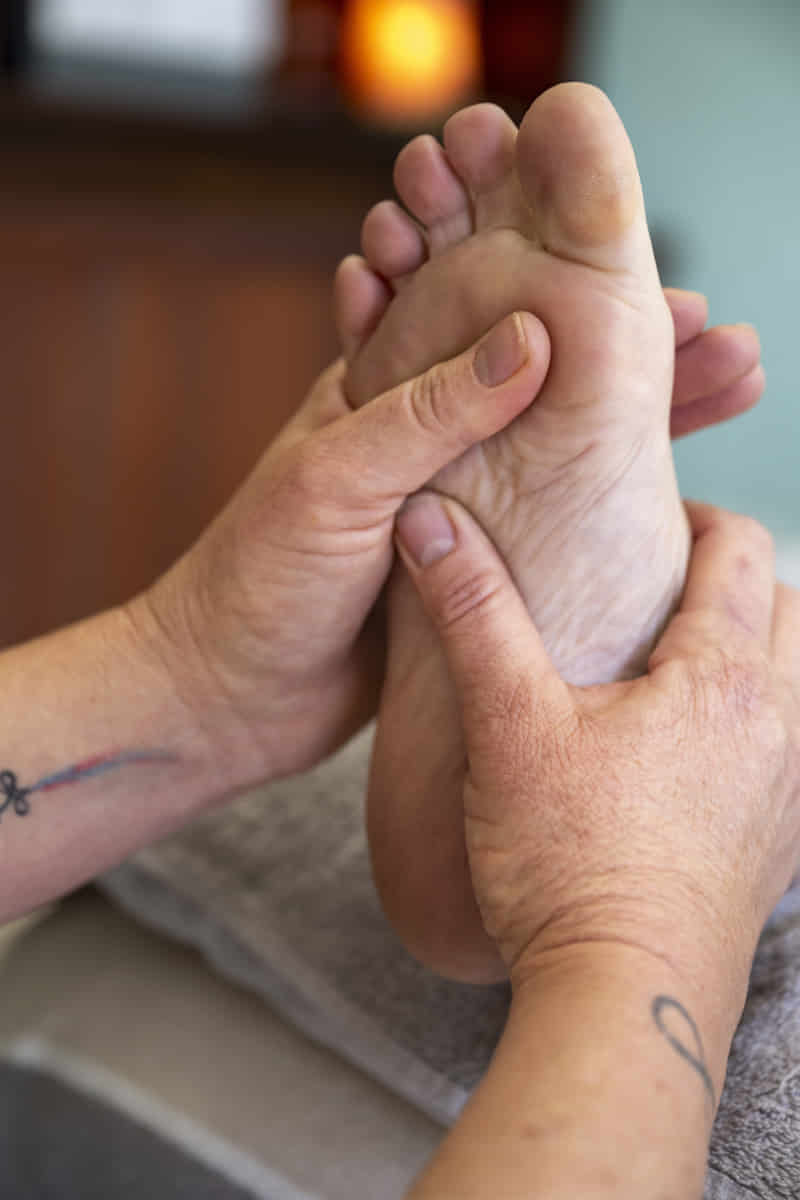
The therapist will first clean the feet before loosening/ warming up the joints in the feet and ankles. A set sequence is then followed in which all the reflexes in the feet and ankles are stimulated using a firm pressure. Sensitivity or pain indicates congestion in the corresponding organ/meridian and after a few sessions this should ease, depending on the severity of the problem.
The treatment is ended off with a relaxing foot massage followed by the patient taking in 3 deep breaths while the therapist holds the solar plexus reflex. Everyone is different, so reactions also differ. Some people feel more energised after a treatment, others may feel extremely tired.
Other side effects include a worsening of symptoms, nausea, headaches, frequent urination, aching joints and muscles, feeling emotional, uncovering of new symptoms or bringing up of old symptoms. This is called a healing crisis and is the body’s way of releasing toxins. Coming for weekly treatments will help support the healing process.
It is recommended to come for weekly treatments until an improvement in symptoms is seen, bi-weekly until symptoms resolve and then every 4-6 weeks as maintenance.
R 440 for a standard treatment or R 1100 upfront payment for 3 treatments.
No. Reflexologists can merely advise on lifestyle changes, including suggesting supplements, to support the healing process. Always check with your medical doctor if on prescription medication before adding any supplement.